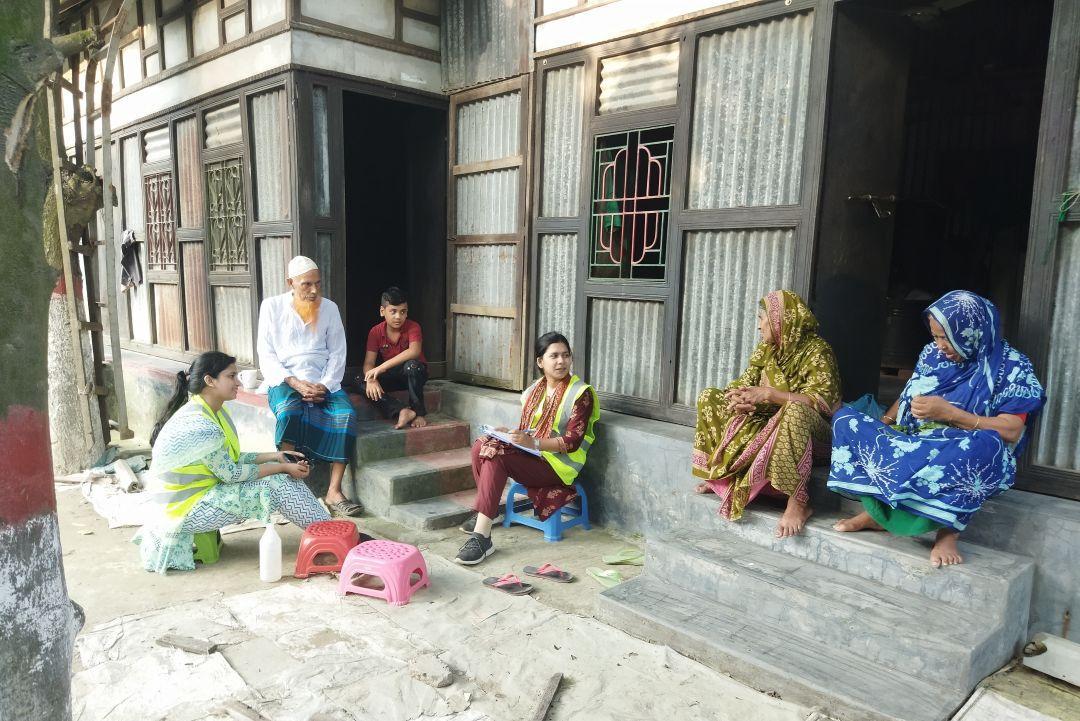
Environmental and Social Impact Assessment in Bangladesh: A Complete Guide to Sustainable Project Development
Environmental and Social Impact Assessment in Bangladesh: A Complete Guide to Sustainable Project Development
Introduction
Sustainable project development requires more than engineering design and financial planning. Every development project has the potential to affect the surrounding environment, local communities, natural resources and ecosystems. Identifying and managing these impacts at an early stage is essential for responsible development.
In Bangladesh, environmental and social assessments play an important role in project planning, regulatory approvals, environmental protection and long-term sustainability. Whether it is an industrial facility, infrastructure development, power plant, housing project or commercial establishment, proper environmental and social assessment helps project owners understand potential risks and implement appropriate mitigation measures.
ESRD Bangladesh provides professional environmental and social consultancy services to support organizations throughout project planning, assessment, regulatory compliance and implementation.
1. What Is Environmental and Social Impact Assessment?
Environmental and Social Impact Assessment (ESIA) is a systematic process used to identify, evaluate and manage the potential environmental and social impacts of a proposed development project.
An effective assessment examines factors such as:
Air and water quality.
Noise and vibration.
Soil and land-use conditions.
Biodiversity and ecological resources.
Public health and community safety.
Land acquisition and resettlement.
Livelihoods and socioeconomic conditions.
Stakeholder concerns and community engagement.
The findings help project developers make informed decisions, reduce environmental risks and improve project sustainability.
2. Environmental Assessment and Regulatory Approvals in Bangladesh
Environmental assessment is an important part of project development and regulatory compliance in Bangladesh. Depending on the project type, location, scale and applicable regulatory requirements, different levels of environmental assessment and documentation may be necessary.
Key environmental and social assessment services include:
Initial Environmental Examination (IEE)
IEE helps identify potential environmental and social concerns during the early stages of project planning. It provides an initial understanding of project impacts and helps determine whether further detailed assessment is required.
Environmental Impact Assessment (EIA)
EIA is a detailed evaluation of the potential environmental impacts of a proposed project. It examines baseline environmental conditions, predicts possible impacts and recommends mitigation measures to minimize adverse effects.
Environmental and Social Impact Assessment (ESIA)
ESIA integrates environmental and social considerations into project planning. It evaluates potential impacts on ecosystems, communities, livelihoods, public health and other relevant social and environmental factors.
Environmental Management Plan (EMP)
An EMP outlines practical measures to prevent, minimize and manage environmental impacts during project construction and operation. It also identifies monitoring requirements, responsible parties and implementation schedules.
Environmental and Social Due Diligence (ESDD)
ESDD helps investors, financial institutions and project developers identify existing and potential environmental and social risks before financing, acquisition or project implementation.
3. Environmental Monitoring and Compliance
Environmental assessment does not end with the preparation of a report. Continuous monitoring and compliance management are essential to ensure that environmental protection measures are properly implemented.
Environmental monitoring helps organizations evaluate project performance, identify potential non-compliance issues and take corrective action when necessary.
Key activities include:
Environmental and social monitoring.
Environmental compliance audits.
Baseline environmental studies.
Air, water and noise quality monitoring.
Assessment of mitigation measures.
Monitoring of Environmental Management Plans.
Corrective and preventive action planning.
These activities help project owners maintain environmental performance throughout construction and operational phases.
4. Social Safeguards and Stakeholder Engagement
Development projects can influence local communities through land acquisition, changes in livelihoods, employment opportunities, access to resources and community safety.
Social safeguards help identify these risks and develop appropriate measures to protect affected people.
Important social safeguard services include:
Social Impact Assessment (SIA)
SIA evaluates the potential social consequences of a development project, including impacts on local communities, livelihoods, vulnerable groups and socioeconomic conditions.
Resettlement Action Plan (RAP)
A RAP establishes procedures and measures for addressing displacement and resettlement impacts associated with project-related land acquisition or restrictions on land use.
Land Acquisition Plan (LAP)
LAP supports the identification and planning of land requirements, acquisition-related impacts and relevant measures for affected landowners and communities.
Stakeholder Engagement Plan (SEP)
SEP provides a structured approach to engaging project stakeholders, including local communities, government agencies, affected people and other interested parties.
Grievance Redress Mechanism (GRM)
GRM establishes a transparent process through which affected individuals and communities can submit concerns, complaints and feedback and receive appropriate responses.
5. Environmental and Social Management Frameworks
For projects involving multiple locations, phases or subprojects, an Environmental and Social Management Framework (ESMF) can provide a structured approach to identifying and managing environmental and social risks.
An ESMF establishes general principles, procedures and guidelines for:
Environmental and social screening.
Risk identification and assessment.
Mitigation planning.
Stakeholder consultation.
Monitoring and reporting.
Institutional responsibilities.
Implementation arrangements.
These frameworks are particularly useful for large-scale infrastructure, development programmes and projects supported by international financing institutions.
6. Our Approach to Environmental and Social Consultancy
At ESRD Bangladesh, we recognize that every project has unique environmental, social, technical and regulatory requirements.
Our approach focuses on developing practical, project-specific solutions rather than relying on generic assessment methodologies.
Our consultancy approach includes:
Project Understanding: Reviewing project objectives, location, design and applicable regulatory requirements.
Baseline Assessment: Collecting and evaluating relevant environmental and socioeconomic information.
Impact Identification: Identifying potential environmental and social risks associated with project activities.
Mitigation Planning: Developing practical measures to avoid, minimize or manage identified impacts.
Management Documentation: Preparing relevant assessment reports, management plans and compliance documents.
Monitoring and Implementation: Establishing monitoring responsibilities, performance indicators and implementation schedules.
Where applicable, our assessments also consider the environmental and social requirements of project lenders and international financing institutions alongside relevant Bangladesh regulatory requirements.
7. Why Environmental and Social Assessment Matters for Development Projects
A properly conducted environmental and social assessment offers several long-term benefits:
Supports regulatory approval and environmental compliance.
Identifies environmental and social risks at an early stage.
Helps protect natural resources and biodiversity.
Reduces potential conflicts with local communities.
Improves project planning and risk management.
Supports responsible investment and financing decisions.
Promotes sustainable and socially responsible development.
Integrating environmental and social considerations into project planning can help organizations avoid unnecessary delays, manage risks and achieve better long-term project outcomes.
Conclusion
Environmental and social assessment is an essential component of responsible infrastructure, industrial and development projects. From IEE and EIA to ESIA, EMP, ESDD, RAP and stakeholder engagement, each assessment contributes to better project planning, environmental protection and social responsibility.
With a practical and project-specific approach, ESRD Bangladesh supports organizations in understanding environmental and social risks, developing appropriate management strategies and strengthening regulatory and project compliance.
Whether you are planning an industrial development, infrastructure project or investment initiative, integrating environmental and social considerations from the beginning can make a significant difference to project success and sustainability.
Looking for professional environmental and social consultancy services in Bangladesh?
Visit ESRD Bangladesh to learn more about our environmental assessment, social safeguards, monitoring and compliance services.
There are many variations of passages of Lorem Ipsum available, but the majority have suffered alteration in a our some form, by injected humour, or randomised words which don't look even slightly believable. If you are going our as to use a passage of Lorem Ipsum, you need to be sure there isn't anything embarrassing hidden in the middle the of text. All the Lorem Ipsum generators on the Internet tend.